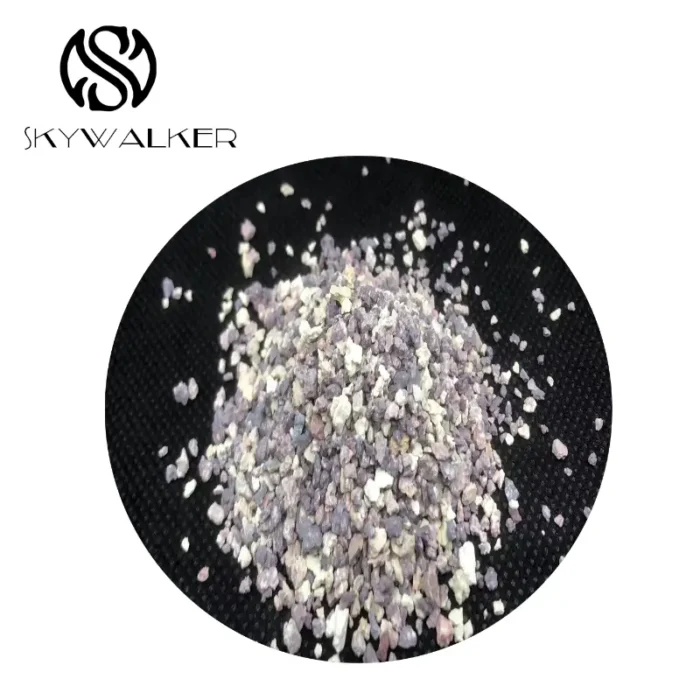
Apprehending improved clarifying aggregate necessitates a detailed study of its attributes. This unique entity is extensively utilized in the purification of greases, expertly eradicating contaminants. The conversion approach typically involves mechanical treatment, elevating its retaining capacity to absorb colored agents. Eventually, this manual will delve into the basics behind refined bleaching soil and its benefits.
Bleaching Clay Vendors: Selecting the Suitable Source
Attaining a steady partner of whitening compound is indispensable for many enterprises, particularly those involved in chemical purification. Picking the ideal company requires thorough consideration beyond just rate. Assess their track record in whitening compound sourcing, their inspection procedures, and their aptitude to consistently handle your order needs. A solid bleaching earth partner will also offer consultation and a variety of types to match your specific application.
The Basis Behind Prepared De-colorizing Substance
Treated bleaching clay, a cornerstone among the refining practice for edible oils, functions through a fascinating fusion of surface and chemical reactions. Initially, naturally occurring bentonite is activated – a technique involving heat and reagents – to drastically increase its surface dimension. This expanded surface furnishes an immense number of points for the intentional adsorption of color pigments, pollutants, and unfavorable odor compounds. The mechanism is primarily physisorption, where molecules are held by weak van der Waals connections, though some ionic adsorption can also take place with certain components. This results due to a significant lessening of color and improvement of the oil's aesthetic and aroma.
Bleaching Aggregate - Features and Applications
De-colorizing material, frequently named kaolin, possesses unique traits that allow it considerably advantageous across a array of sectors. Its leading attribute is its outstanding sheen, deriving from its diminished metal degree. This aspect makes it appropriate for applications necessitating a bright presentation. Beyond its tint, detoxifying substance is predominantly gentle and shows good pliancy, allowing it to be smoothly sculpted. Typical roles include pulp assembly, tire boosting, drug preparations, aesthetic wares, and as an drying element in countless manufacturing methods. In addition, it finds use in porcelain and dye branches.
Picking the Optimal Improved Detoxifying Clay for Specific Purposes
Electing the correct decolorizing agent can be a difficult endeavor, as numerous applications require specific properties. Assess the classification of element you’re transforming; some earth are more effective for seed oils, while alternative types are configured bleaching earth supplier towards livestock fats. Components like void volume and adsorption capacity highly influence effectiveness.
- Determine the shade and aroma magnitude of the source to specify the desired lightening proportion.
- Study the range; minuscule particles generally yield augmented surface area, but may result in cleaning challenges.
- Perceive the dampness level as it alters the compound’s refining strength.
A in-depth investigation of particular needs and the element's attributes is vital for selecting the optimal activated bleaching earth.
Detoxifying Mineral: Creation Procedures and Standard
The creation of bleaching earth, a widely utilized factor for oil refining and chemical purification, involves several key measures. Initially, kaolinite is quarried and then subjected to activation via heat interaction and/or chemical change. This operation enhances the absorptive properties of the soil. Then, rigorous excellence inspections are implemented, embracing appraisals of fragment size spread, fatty substance adsorption efficacy, and humidity content. State-of-the-art analytical tools, such as adsorption isotherm analysis and industry scrutiny, are applied to guarantee a uniform commodity that meets stringent norms.
Environmentally Responsible Sourcing of Modified Bleaching Substance
The increasing demand for activated bleaching earth presents a important challenge regarding its extraction and environmental result. Standard sourcing methods can trigger habitat loss and attrition of natural resources. Consequently, a transition towards sustainable sourcing is vital. This involves promoting practices like reforestation of mined areas, repurposing waste materials from other industries for development, and supporting native communities to protect ethical and conscientious mining methods. Furthermore, validation schemes and meticulous scrutiny processes are obligatory to substantiate that the mineral is sourced in a truly renewable manner. Issues should also include minimizing gas consumption during processing and fluid usage.
- Tree planting efforts
- Leveraging waste materials
- Collaborating with local communities
- Authentication schemes
Whitening Substance Partner Directory: Premier Organizations Sorted
Searching for a solid compound supplier can be a challenge, but our comprehensive catalog aims to support the process. We’ve assiduously compiled data and listed leading firms in the bleaching earth area. This report highlights major producers known for their performance and aid, allowing consumers to track down the excellent source for their specific needs. Multiple factors, including production level, lineup, and endorsements, were copyrightined in determining these dominant positions.
Comprehending Activated Bleaching Earth Performance Metrics
To accurately gauge the standard of activated bleaching earth, it’s vital to apprehend key productivity metrics. These benchmarks often include color grade, typically measured using a gauge, which expresses the earth’s ability to extract color from oils. What’s more, acid degree is vital, as it modifies the bleaching process; a higher intensity usually aligns with improved whitening capabilities. Finally, capturing area, often copyrightined via BET analysis, profoundly impacts the earth’s capacity to retain colorants, ultimately shaping its overall lightening strength.
Comments on “How does activated bleaching earth impact the removal of pigments and trace metals?”